From research to real-world impact: improving catheter care across south east London
How one NHS professional's research is helping shape care for residents
Research carried out by a South East London Integrated Care Board (SEL ICB) employee is helping improve care for people living with long-term urinary catheters across south east London and beyond.
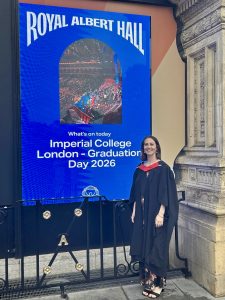
Lizzie Skelton, a Commissioning Manager at SEL ICB, recently completed a Master’s dissertation through Imperial College London exploring how to improve care for people living in the community with long-term urinary catheters.
Patients living with long-term catheters face a range of physical and mental health risks and are often supported by multiple health and care professionals working across different organisations, meaning care can be complex and confusing.
Lizzie’s mixed-methods research examined the experiences of professionals delivering catheter care and developed recommendations for improving outcomes for patients.
The findings have already been adopted by the South East London Strategic Oversight Catheter Care Group and are helping to shape improvement work across the system.
Several recommendations are now being taken forward, including reviewing existing services, identifying gaps in provision, improving communication between organisations, and strengthening pathways for crisis and advice and support.
Lizzie’s dissertation has also attracted interest nationally. NHS England colleagues undertaking a review of continence products and services are using the research as part of their wider work to improve community-based pathways.
Working together to improve care
One of the key themes emerging from the research was the importance of partnership working. Through engagement with clinicians and staff from across the health and care system, the project brought together insights from primary, secondary, community, and social care to create a shared understanding of the challenges. The research then offered practical recommendations for how organisations can work together more effectively to improve patient experience and outcomes.
The recommendations focus on creating clearer roles and responsibilities, improving communication between teams, and developing more joined-up pathways of care.
Supporting innovation and improvement
The project demonstrates how research, collaboration and professional development can contribute directly to improving services for residents.
By turning academic research into practical action, south east London is helping to build a stronger evidence base for catheter care while supporting work to reduce avoidable hospital attendances and deliver more care closer to home.
It’s incredibly rewarding to see the research being used to support service improvement across south east London and contribute to wider national work. Ultimately, the aim is to improve experiences and outcomes for people living with long-term catheters.
– Lizzie Skelton, Commissioning Manager, SEL ICB