Prevention education: the golden thread that connects everything we do in south east London
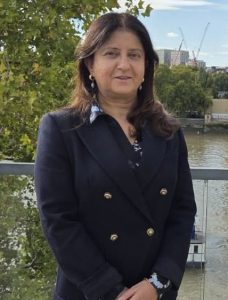
A blog from Dr Anita Banerjee, Obstetric Physician and Consultant Physician in Diabetes and Endocrinology & General Internal Medicine at Guy’s & St Thomas’ NHS Foundation Trust | Prevention System Lead for Education in South East London at King’s Health Partners.
There are moments in healthcare when you realise that what look like separate pieces of work are actually part of the same story. For me, that story is prevention.
Across south east London, there is growing recognition that prevention is not simply a programme, project or workstream. It is a way of thinking. It is how we build a healthier future and reduce health inequalities.
That belief is at the heart of our new SEL ICS Prevention Champion Programme. The programme recognises that every member of staff, regardless of role or profession, can have a positive impact on health and wellbeing through everyday conversations. Its capability framework focuses on three connected areas: self, role and system.
Seeing colleagues sign up and engage has reinforced something I have believed for a long time. There is a huge appetite for prevention. People want the confidence, skills and tools to make a difference. They understand that education can be a powerful tool for improving health equity.
Over recent years, we have developed ambitious frameworks, built strong partnerships and created a vibrant community of practice focused on improving health and wellbeing. Through the South East London Prevention Framework, the Prevention, Wellbeing and Equity agenda, and the Cardiovascular, Kidney and Metabolic (CKM) Prevention Modern Service Framework launched this year, we are working together to improve outcomes, reduce inequalities and help people live healthier lives.
Yet despite the energy and commitment across the system, I often find myself asking a simple question: what connects all this work?
My answer is always the same: prevention education.
When people hear the words “health education”, they often think of information leaflets, campaigns or awareness raising. But prevention education is about much more than sharing information. It is about helping people understand their health, build confidence, develop skills and make informed choices. It is about creating opportunities for people to take ownership of their wellbeing.
Whether we are supporting healthier behaviours, improving cardiovascular risk detection, tackling obesity, addressing smoking, promoting mental wellbeing, increasing vaccination uptake, supporting women’s health, or working with children and families, education is what turns good intentions into meaningful change.
Without it, prevention remains something we do for people. With it, prevention becomes something we do with people.
Too often, prevention is viewed through the lens of individual programmes and interventions. We focus on pathways, targets and outcomes. These things matter, but on their own they are not enough.
If we want to move from a system that treats illness to one that creates health, education must sit at the centre of everything we do. Prevention starts long before disease develops. It belongs to everyone.
It starts with a conversation. It starts with understanding. It starts with confidence. It starts wherever people are, not just when they enter the healthcare system.
I make no secret of the fact that I am on a crusade for prevention education. I believe it should be front and centre of our work, not sitting quietly alongside it. It is the mechanism that can turn our ambitions for population health into reality and help create lasting change.
It should connect our work across cardiovascular health, kidney disease, metabolic health, obesity, mental wellbeing, women’s health, children’s services, workforce wellbeing, community engagement and health equity.
The future of healthcare in south east London will not be determined solely by the treatments we provide. It will be shaped by our ability to prevent illness, reduce inequalities and create the conditions for healthier lives.
For me, prevention education is the golden thread that connects everything we do. And I believe its time has come.